Corporate Life
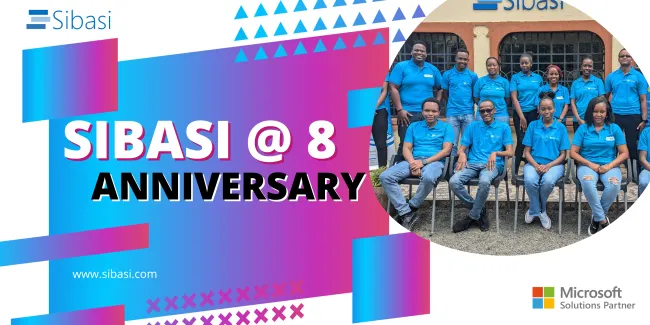
This year, Sibasi marks 8 years of empowering businesses across Africa with digital transformation solutions. From our humble beginnings to becoming a trusted Microsoft partner and many other organizations across industries, the journey has been filled with challenges, innovations, and most importantly, lessons that continue to shape our vision.
As we celebrate this milestone, we want to share 8 key lessons we’ve learned in our 8 years of powering digital transformation in Africa.
There’s a moment in every journey where the ground starts to feel unfamiliar beneath your feet. You can’t quite explain it—but something in your routine, your environment, or even your mindset feels off, misaligned, foreign.
Let’s be honest, tech culture isn’t exactly known for three-piece suits and power heels. Hoodies, jeans, and sneakers are often the norm, and in many cases, that’s perfectly fine.
When people think of software development, the first image that comes to mind is usually a developer deep in code, a designer pushing pixels, or a product team launching the next big feature. And while these roles are essential, there’s a foundational layer that holds it all together—the people. More specifically, the people strategy.
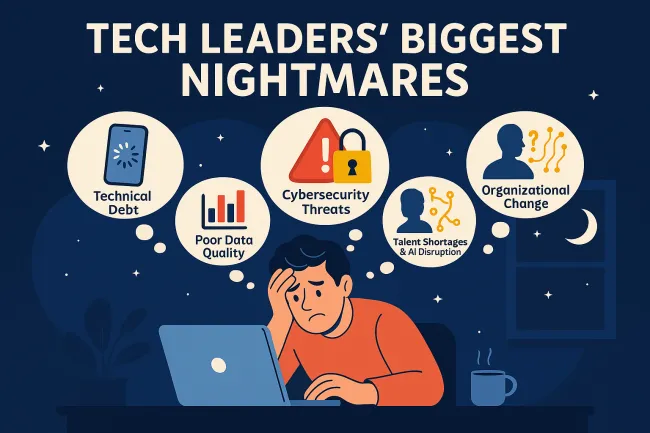
Technology is evolving at breakneck speed, and IT leaders are caught in the crossfire. On one hand, innovation is opening doors to new possibilities. On the other, it’s creating a never-ending to-do list of challenges—ranging from technical debt nightmares to cybersecurity threats that just won’t quit.
If you’ve ever felt like keeping your IT infrastructure running is like fixing a plane while it’s mid-air, you’re not alone. Here are five major tech concerns that are making IT pros everywhere lose sleep.
Professionalism is one of the core values that define our company culture. While we operate in the dynamic world of software development, where innovation and creativity thrive, we also recognize the importance of maintaining a professional image. Attire and appearance may vary across industries, but in a corporate environment like ours- how we present ourselves reflects our respect for clients, colleagues, and the work we do. To be able to strike a balance between comfort and professionalism, we ensure that we foster a culture of credibility, trust, and excellence.
The workplace is evolving, and with it, a new generation of developers is reshaping the software industry—Gen-Z developers (born between 1997 and 2012). They are digital natives, purpose-driven, and thrive in flexible, fast-paced environments.
However, managing them presents unique challenges, from their need for instant feedback to their expectation of work-life balance and modern tools.
So, how do you keep your Gen-Z developers engaged, motivated, and productive?
Imposter Syndrome is something many people, especially those in tech, face at some point in their careers. It’s that nagging feeling that you’re not as competent as others perceive you to be, that somehow, you’ve tricked your way into a role or position, and it’s just a matter of time before everyone figures out that you're not that good.
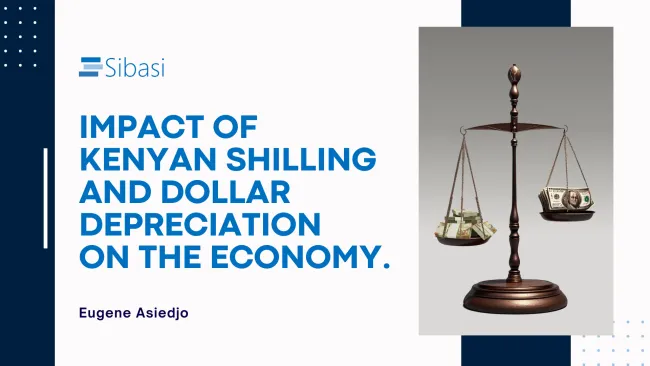
Currency depreciation is a complex economic phenomenon with wide-ranging effects on both domestic and international economies. In Kenya, the depreciation of the Kenya Shilling (KES) against the US Dollar (USD) has been a topic of concern for policymakers, businesses, and the general public. Understanding the implications of this depreciation is crucial for making informed decisions and mitigating its adverse effects.
It's that time of the year again! As December unfolds, workplaces are buzzing with anticipation, speculation, and perhaps a tinge of anxiety. The annual performance reviews are upon us, and with them comes the unveiling of accolades, recognition, and yes, feedback—both constructive and, at times, challenging.